
Verified Contractor Dispatch Active
1-800-818-2708
ServiceFind Landscaping Logo
ServiceFindLandscaping
National Vetted Contractor Network
Tree & Shrub Care & Arboriculture

Hazardous & Large Tree Removal Services

FDA & EPA Approved Materials
Safe for Pets & Pollinators
Made in USA Sourced
Native Hardened Nursery Stock
Secure Fair Pricing
Stripe & Visa Protected
100% Workmanship Guarantee
Verified Independent Pros

Tree removal is the controlled dismantling and safe extraction of dead, structurally hazardous, or overgrown trees adjacent to residential buildings and utility lines. Certified arborists employ sectional rigging lines, friction lowering devices, and crane or bucket lift access to prevent ground or structural impact.

The Homeowner Challenge: A dead, hollowed-out oak or leaning pine towering over your roof creates terrifying anxiety during every heavy windstorm and ice event.
Get A Fair Quote: 1-800-818-2708
8:00 AM – 8:00 PM All Days

Core Project Benefits & Performance Standards

Certified sectional rigging and crane extraction guarantees zero damage to roofs, fences, or gutters
Eliminates imminent storm-blowover hazards before falling limbs crush bedrooms or parked vehicles
Removes diseased trees infected with oak wilt, emerald ash borer, or root rot before pathogens spread
Complete service includes stump grinding down 6–10 inches below grade and total wood chip cleanup

What’s Included in Professional Scope

Every verified project follows standardized trade specifications with zero omitted steps.

1
Pre-removal structural integrity hazard assessment by ISA-certified arborists
2
Utility clearance coordination and drop-zone perimeter safety roping
3
Sectional piecemeal climbing, cutting, and friction rope rigging lowering
4
Crane-assisted pick extraction for severely compromised or un-climbable trees
5
Commercial wood chipper processing of branches and hauling of heavy hardwood logs
6
Stump grinding to 6–10 inches below finished grade and root flare elimination
7
Lawn rake-out and blower cleanup of all sawdust and wood chips

How the Project Works: Step-by-Step

From initial site survey to final quality signoff.

01
Step 1

Hazard Audit & Rigging Plan

Arborists evaluate trunk lean, internal rot, and proximity to power lines to establish a zero-risk sectional rigging plan.

02
Step 2

Canopy Dismantling

Climbers ascend or position aerial lifts, dismantling limbs from the outside in, lowering each branch via controlled friction lines.

03
Step 3

Trunk Sectional Felling

The main trunk is notched and lowered in manageable log rounds, leaving a flush ground-level stump.

04
Step 4

Chipping & Stump Grinding

Limbs are processed into mulch, heavy logs are hauled away, and the stump is ground below grade into rich soil-mix mulch.

Transparent Pricing & Price Drivers
$450 – $2,500+ per tree ($1,200 – $4,500+ for massive 70-foot trees near homes requiring cranes)

Based on Tree Care Industry Association (TCIA) national residential cost standards.

Key Factors That Move the Price:

  • Tree height and trunk diameter (DBH) (small 20-ft birch vs. 80-ft mature hardwood oak)
  • Proximity to hazards (open pasture felling vs. tight zero-clearance drop between two houses and overhead power lines)
  • Tree structural health: dead, brittle, or hollow trees require expensive crane access because climbers cannot safely ascend
  • Inclusion of stump grinding and root flare chasing below lawn grade
Decision Framework

Proactive Tree Removal vs. Waiting for Storm Blowover

Proactive Controlled Tree Removal

Advantages:
Controlled sectional lowering with zero property damage
Scheduled at standard competitive daytime rates
Eliminates structural risk to home and family safety
Preserves homeowner insurance claim standing
Trade-offs:
Planned upfront out-of-pocket tree removal cost ($800 - $2,500)

Waiting Until Storm Blowover Occurs

Advantages:
Defers upfront tree expense
Trade-offs:
Emergency storm extraction costs 3x more ($3,000 - $8,000+)
Tree often punctures roof, destroys cars, or pulls down power lines
Insurance deductibles and potential claim denials if tree was documented as dead and neglected
Expert Recommendation: Removing a structurally compromised tree proactively is vastly cheaper, safer, and less stressful than dealing with an emergency middle-of-the-night roof collapse.
Seasonal Timing & Horticultural Reality

Optimal Window: Winter through Early Spring (Dormant Season)

Winter is the ideal time for tree removal; absence of foliage makes rigging cleaner, frozen ground prevents heavy machinery lawn rutting, and contractor rates are most competitive.

Regional Climate Note: Trees killed by emerald ash borer or pine bark beetles should be removed immediately before wood becomes brittle and dangerous to climb.

Maintenance & Aftercare Guidelines

Protecting your investment after contractor completion:

Fill remaining stump grinding depressions with screened topsoil and grass seed to restore flat lawn grade
Inspect adjacent trees for exposed root damage or wind throw vulnerability now that canopy wind patterns have changed
Use clean wood chips generated from healthy non-diseased trees as organic mulch in perimeter garden beds

Completed Project Photography

Real field documentation from verified independent contractor projects.
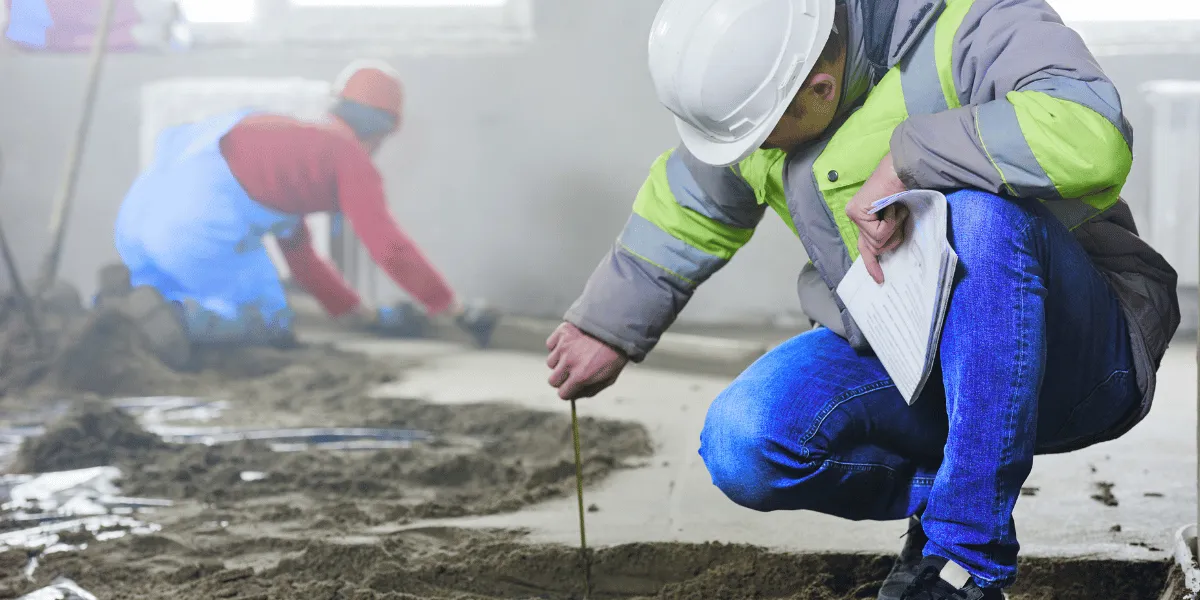
Hazardous & Large Tree Removal Services - Site preparation and base grading

Base preparation, laser leveling, and material staging for residential install.
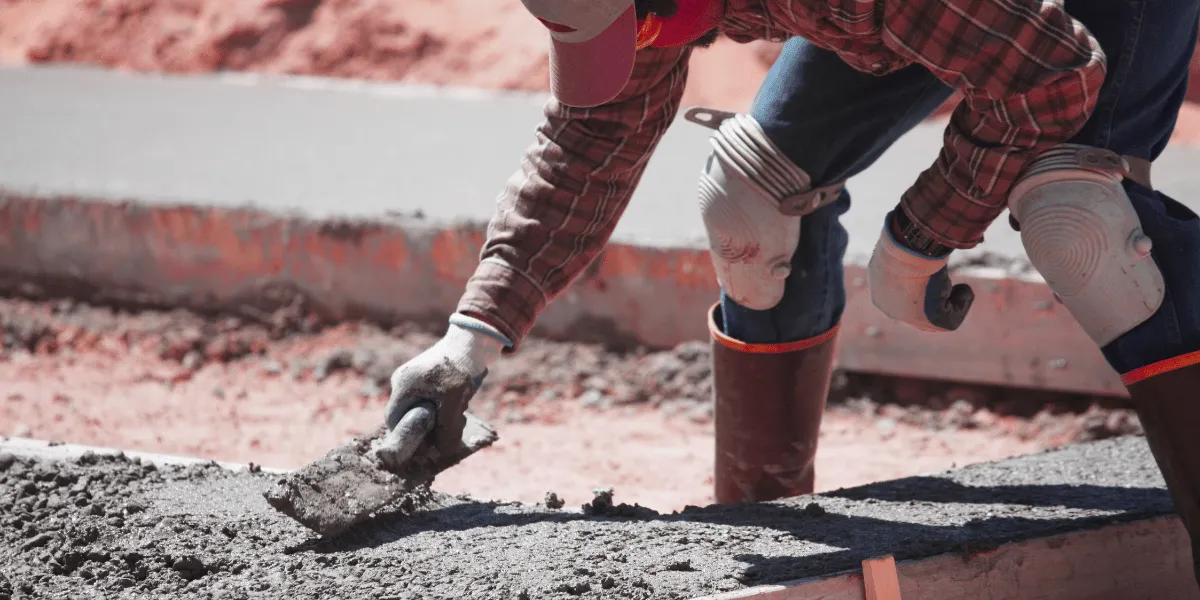
Hazardous & Large Tree Removal Services - Finished contractor installation

Completed installation showing precision border cuts and joint consolidation.

Related & Adjacent Landscaping Services

Independent Vetting Standard (Claims-Standards.md Compliant)

How ServiceFind Connects You With Verified Contractors

ServiceFind is an independent referral marketplace, not a direct landscaping company. We match you with pre-screened independent local contractors specializing in hazardous & large tree removal services.

License Verification:Trade licenses confirmed against state contractor boards where applicable.
Insurance Standards:Minimum $1,000,000 commercial liability coverage verified before match.
Fair Quote Promise:No phantom lowball estimates or hidden disposal/permit surcharges.
Verified Feedbackprovider review

"The matched masonry crew transformed our sloping dirt yard into a stunning 450 sq ft herringbone paver patio with a built-in gas fire pit. Base compaction was meticulously checked with laser levels, and the polymeric sand joints have held up flawlessly through torrential spring downpours."

Marcus T., Austin, TX (Verified Project: Paver Patio & Fire Pit Installation)
20-Point Decision Engine

Tree Removal Questions & Expert Answers

Sourced answers to help you evaluate contractor proposals, timelines, and costs.

A small tree (under 30 feet) typically costs $350 to $650. Medium trees (30 to 60 feet) range from $650 to $1,400. Large, hazardous trees (60 to 80+ feet) positioned close to homes or power lines range from $1,500 to $3,500+.

Request Your Fair Quote on Tree Removal

Get an itemized estimate from a verified independent contractor in your local area. Zero hidden fees.

Editorial Source: Tree Care Industry Association (TCIA) & ANSI A300 Safety StandardsVerified: January 2024

ANSI A300 and Z133 standards govern professional arboricultural rigging, drop-zone clearings, and crane-assisted tree removal protocols. Citation URL: https://www.tcia.org/

Marketplace Transparency & How ServiceFind Operates

ServiceFind is an independent contractor matching and referral platform, not a direct landscaping or construction company. All landscaping, hardscaping, lawn care, tree removal, and drainage work is performed exclusively by independent, third-party contractors. We verify licenses, insurance, and reputation standards prior to matching. Review our verification methodology for full transparency.