
Verified Contractor Dispatch Active
1-800-818-2708
ServiceFind Landscaping Logo
ServiceFindLandscaping
National Vetted Contractor Network
Tree & Shrub Care & Arboriculture

Tree & Shrub Pruning & Trimming

FDA & EPA Approved Materials
Safe for Pets & Pollinators
Made in USA Sourced
Native Hardened Nursery Stock
Secure Fair Pricing
Stripe & Visa Protected
100% Workmanship Guarantee
Verified Independent Pros

Tree and shrub pruning delivers corrective arboricultural canopy thinning, deadwood extraction, crown reduction, and ornamental shrub shearing. Performed in compliance with ANSI A300 standards, pruning strengthens branch structure, improves sunlight penetration, and clears branches away from roofs.

The Homeowner Challenge: Overgrown tree limbs scraping your roof tiles wear away shingles, block chimney flues, shade out your lawn, and harbor destructive carpenter ants.
Get A Fair Quote: 1-800-818-2708
8:00 AM – 8:00 PM All Days

Core Project Benefits & Performance Standards

Eliminates heavy, dead, or diseased branches before windstorms snap them onto roofs or vehicles
Provides a mandatory 8-to-10 foot safety clearance away from rooflines, gutters, and chimneys
Crown thinning opens canopy air circulation, significantly reducing fungal leaf spot and mildew
Promotes balanced branching structure that stimulates dense seasonal flowering and healthy foliage

What’s Included in Professional Scope

Every verified project follows standardized trade specifications with zero omitted steps.

1
Structural canopy health evaluation and branch union defect identification
2
Deadwood extraction (removal of all dead, dying, and diseased limbs over 1 inch diameter)
3
Crown cleaning, thinning (maximum 20% foliage removal), and directional pruning away from structures
4
Precision branch collar cuts made without flush cuts or torn bark tears
5
Formal hedge and ornamental shrub shearing and hand-pruning thinning
6
Chipping and complete hauling of all pruned branch debris

How the Project Works: Step-by-Step

From initial site survey to final quality signoff.

01
Step 1

Structural Canopy Inspection

Arborists assess branch angles, identifying crossing limbs, co-dominant stems, and weak V-crotch bark inclusions.

02
Step 2

Clearance Pruning

Heavy limbs are sectionally pruned back with clean branch collar cuts to establish safe clearance from roofs and service wires.

03
Step 3

Crown Thinning & Deadwood

Inner water sprouts and deadwood are pruned to allow sunlight and wind to filter safely through the canopy.

04
Step 4

Shrub Sculpting & Cleanup

Foundation hedges are sheared with sloped angles (wider at bottom) to allow light to lower leaves, followed by full cleanup.

Transparent Pricing & Price Drivers
$200 – $850 for mature shade tree pruning ($150 – $400 for foundation shrub trimming)

Based on ISA standard arboricultural pruning rates per tree.

Key Factors That Move the Price:

  • Tree height and accessibility (ground pole-saw work vs. aerial bucket lift vs. rope-and-saddle climber ascension)
  • Level of pruning required: light deadwood cleanup vs. major structural clearance and crown restoration
  • Quantity and species of foundation shrubs requiring hand-pruning vs. mechanical hedge shearing
Decision Framework

ANSI A300 Collar Pruning vs. Destructive Tree Topping

ANSI A300 Standard Collar Pruning

Advantages:
Preserves the branch bark ridge and branch collar, allowing the tree to naturally compartmentalize wounds
Maintains natural graceful canopy architecture
Prevents massive decay pockets inside the main trunk
Trade-offs:
Requires skilled, certified arborists

Indiscriminate Tree "Topping"

Advantages:
Often offered by cheap, unlicensed tree trimmers
Trade-offs:
Destroys tree architecture and creates severe internal rot pockets
Triggers weak, weakly-attached water sprouts that snap easily in wind
Frequently kills mature trees within 3 to 5 years
Expert Recommendation: Never allow a contractor to "top" your trees. Professional crown thinning and reduction preserves tree health and drastically lowers storm liability.
Seasonal Timing & Horticultural Reality

Optimal Window: Late Winter to Early Spring (Dormant Season) for Trees; Post-Bloom for Shrubs

Prune deciduous shade trees in late winter when branch architecture is fully visible and sap flow has not yet peaked. Prune spring-flowering shrubs immediately after they finish blooming.

Regional Climate Note: Oak trees must strictly NOT be pruned between April and July in regions vulnerable to Oak Wilt beetle transmission.

Maintenance & Aftercare Guidelines

Protecting your investment after contractor completion:

Never apply wound paint or tar to pruning cuts; scientific studies prove they trap moisture and accelerate fungal rot
Water mature trees during severe summer droughts to support wound compartmentalization
Schedule routine structural tree canopy pruning every 3 to 5 years for mature shade trees

Completed Project Photography

Real field documentation from verified independent contractor projects.
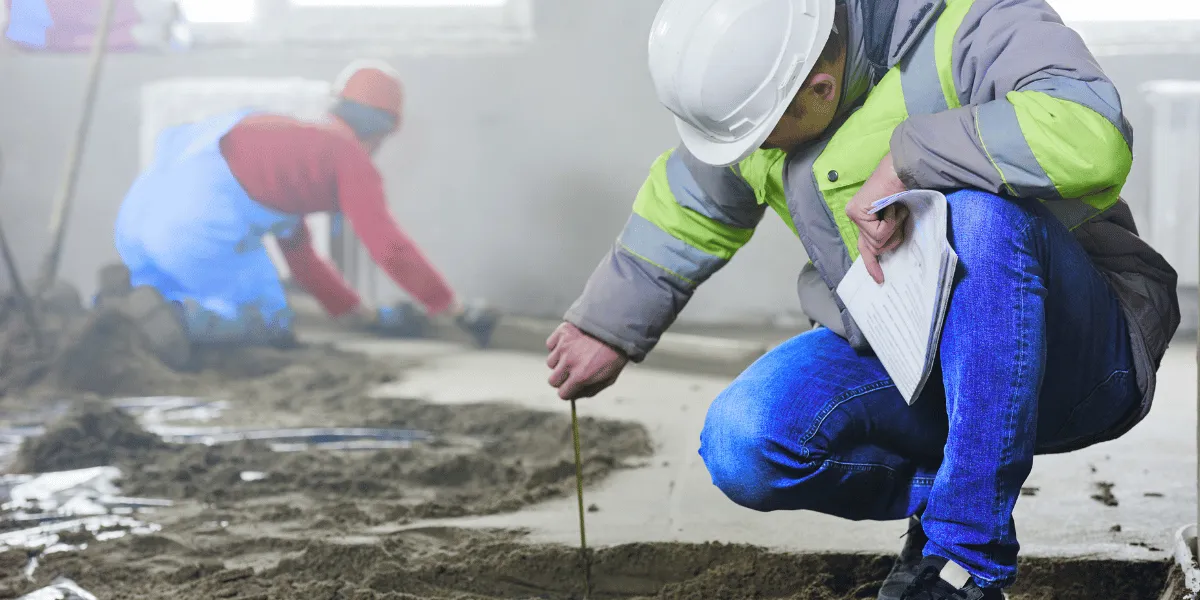
Tree & Shrub Pruning & Trimming - Site preparation and base grading

Base preparation, laser leveling, and material staging for residential install.
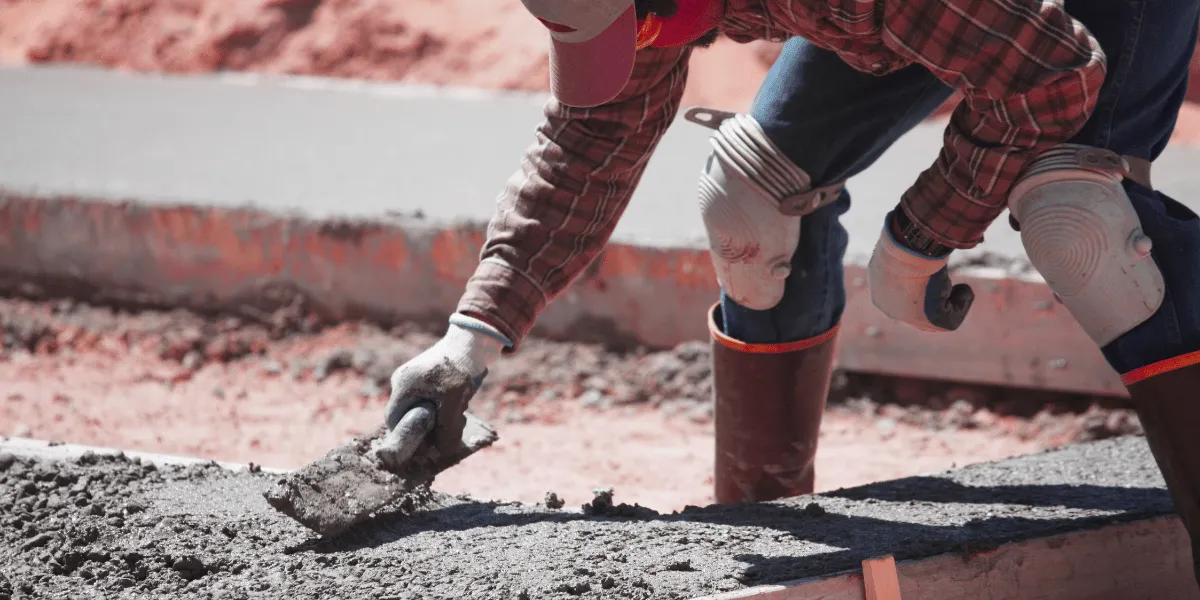
Tree & Shrub Pruning & Trimming - Finished contractor installation

Completed installation showing precision border cuts and joint consolidation.

Related & Adjacent Landscaping Services

Independent Vetting Standard (Claims-Standards.md Compliant)

How ServiceFind Connects You With Verified Contractors

ServiceFind is an independent referral marketplace, not a direct landscaping company. We match you with pre-screened independent local contractors specializing in tree & shrub pruning & trimming.

License Verification:Trade licenses confirmed against state contractor boards where applicable.
Insurance Standards:Minimum $1,000,000 commercial liability coverage verified before match.
Fair Quote Promise:No phantom lowball estimates or hidden disposal/permit surcharges.
Verified Feedbackprovider review

"The matched masonry crew transformed our sloping dirt yard into a stunning 450 sq ft herringbone paver patio with a built-in gas fire pit. Base compaction was meticulously checked with laser levels, and the polymeric sand joints have held up flawlessly through torrential spring downpours."

Marcus T., Austin, TX (Verified Project: Paver Patio & Fire Pit Installation)
20-Point Decision Engine

Tree & Shrub Pruning Questions & Expert Answers

Sourced answers to help you evaluate contractor proposals, timelines, and costs.

Topping cuts off the main crown branches, leaving large open stubs that cannot heal. This induces severe wood decay down the trunk and triggers rapid, weak "water sprouts" that are prone to snapping off in moderate winds, making the tree far more dangerous than before.

Request Your Fair Quote on Tree & Shrub Pruning

Get an itemized estimate from a verified independent contractor in your local area. Zero hidden fees.

Editorial Source: International Society of Arboriculture (ISA) Tree Pruning Guidelines & ANSI A300 Part 1Verified: February 2024

ANSI A300 Part 1 dictates that pruning cuts must not damage the branch bark ridge or branch collar to allow natural tree defense compartmentalization (CODIT). Citation URL: https://www.isa-arbor.com/

Marketplace Transparency & How ServiceFind Operates

ServiceFind is an independent contractor matching and referral platform, not a direct landscaping or construction company. All landscaping, hardscaping, lawn care, tree removal, and drainage work is performed exclusively by independent, third-party contractors. We verify licenses, insurance, and reputation standards prior to matching. Review our verification methodology for full transparency.