
Verified Contractor Dispatch Active
1-800-818-2708
ServiceFind Landscaping Logo
ServiceFindLandscaping
National Vetted Contractor Network
Water & Fire Features

Custom Fire Pit Installation

FDA & EPA Approved Materials
Safe for Pets & Pollinators
Made in USA Sourced
Native Hardened Nursery Stock
Secure Fair Pricing
Stripe & Visa Protected
100% Workmanship Guarantee
Verified Independent Pros

Fire pit installation constructs built-in natural stone, concrete paver, or masonry fire pits equipped for wood-burning or natural gas/propane operation. Engineered with refractory firebrick, heat-resistant mortar, and commercial stainless steel burners, fire pits extend outdoor living into chilly autumn and winter evenings.

The Homeowner Challenge: Cheap sheet-metal store-bought fire pits rust through in two seasons, tip over dangerously on grass, and blow suffocating smoke into your guests’ eyes.
Get A Fair Quote: 1-800-818-2708
8:00 AM – 8:00 PM All Days

Core Project Benefits & Performance Standards

Heavy masonry stone walls contain heat safely and will not rust, tip, or deteriorate over time
Natural gas and smokeless inserts eliminate pungent wood smoke clinging to hair and clothing
Extends comfortable backyard patio usability through chilly autumn, winter, and early spring nights
Integrated stone coping creates generous 12-to-14 inch ledge space for resting drinks and plates

What’s Included in Professional Scope

Every verified project follows standardized trade specifications with zero omitted steps.

1
Site clearance and non-combustible base preparation over compacted aggregate
2
Laying of high-density interlocking curved wall blocks or natural fieldstone veneer
3
Installation of ASTM C-27 refractory firebrick interior liner laid with heat-resistant refractory mortar
4
Placement of heavy-gauge steel wood-burning insert ring or stainless steel gas burner pan
5
Certified natural gas or liquid propane line hookup with emergency 1/4-turn shutoff key
6
Installation of rolled lava rock, ceramic log sets, or reflective tempered fire glass

How the Project Works: Step-by-Step

From initial site survey to final quality signoff.

01
Step 1

Location & Clearance Check

We verify municipal setbacks (typically 15 to 25 feet from structures and trees) and trench gas lines if applicable.

02
Step 2

Foundation Footing

A poured concrete pad or compacted crushed stone foundation is prepared to support the heavy masonry structure.

03
Step 3

Masonry & Firebrick Core

The exterior stone ring is constructed while the interior chamber is lined with high-temperature refractory firebrick.

04
Step 4

Burner Set & Media Dressing

For gas units, 304 stainless burner pans are plumbed, pressure-tested, and dressed with decorative volcanic lava rock.

Transparent Pricing & Price Drivers
$1,800 – $6,500 depending on fuel type (wood vs. gas) and stone selection

Industry benchmark pricing based on local hardscape masonry and gas utility connection standards.

Key Factors That Move the Price:

  • Fuel source: traditional wood-burning ($1,800 - $3,200) vs. natural gas ($3,500 - $6,500 with line trenching)
  • Masonry finish: manufactured segmental concrete blocks vs. custom natural bluestone or granite
  • Dimensions: standard 36-inch circular fire ring vs. custom 60-to-72-inch linear rectangular fire table
  • Inclusion of smokeless airflow inserts (Breeo or Solo Stove commercial liners)
Decision Framework

Natural Gas Fire Pit vs. Traditional Wood-Burning Fire Pit

Natural Gas Fire Pit

Advantages:
Zero wood smoke blowing in your eyes
Instant push-button flame on/off with zero wait time
No messy ashes, sparks, or flying embers
Unlimited fuel supply from home gas line
Trade-offs:
Higher upfront installation cost for gas line trenching ($1,200 - $2,500)
Does not produce classic crackling sound or high searing heat of wood

Traditional Wood-Burning Fire Pit

Advantages:
Lower initial installation cost
Authentic campfire aroma, crackling sound, and high heat output
Can cook hot dogs and s’mores over live coals
Trade-offs:
Smoky smell clings to clothes and hair
Requires buying and stacking dry firewood
Requires ash cleanup and safe ember extinguishing before bed
Expert Recommendation: If you want effortless evening fires with a flip of a switch on a patio near the house, natural gas is unmatched. For rural properties with access to firewood and love of campfires, wood-burning is classic.
Seasonal Timing & Horticultural Reality

Optimal Window: Spring through Late Autumn (April to November)

Building a fire pit in late summer or early fall allows you to enjoy it during prime autumn and winter fire seasons.

Regional Climate Note: Gas lines in northern states must be buried below the frost depth or properly pitched with condensate traps.

Maintenance & Aftercare Guidelines

Protecting your investment after contractor completion:

Cover gas fire pits with waterproof canvas covers when not in use to keep rainwater out of burner orifices
For wood fire pits, shovel out cold ashes regularly to maintain draft airflow through lower vents
Inspect gas shutoff valves and burner ports annually for spider webs or debris

Completed Project Photography

Real field documentation from verified independent contractor projects.
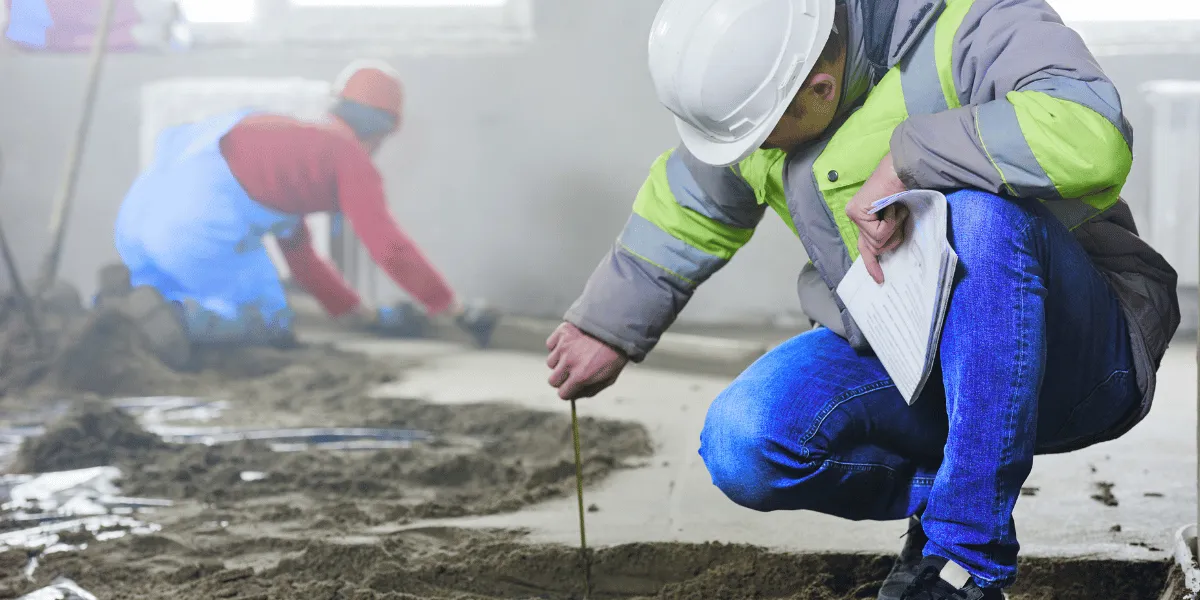
Custom Fire Pit Installation - Site preparation and base grading

Base preparation, laser leveling, and material staging for residential install.
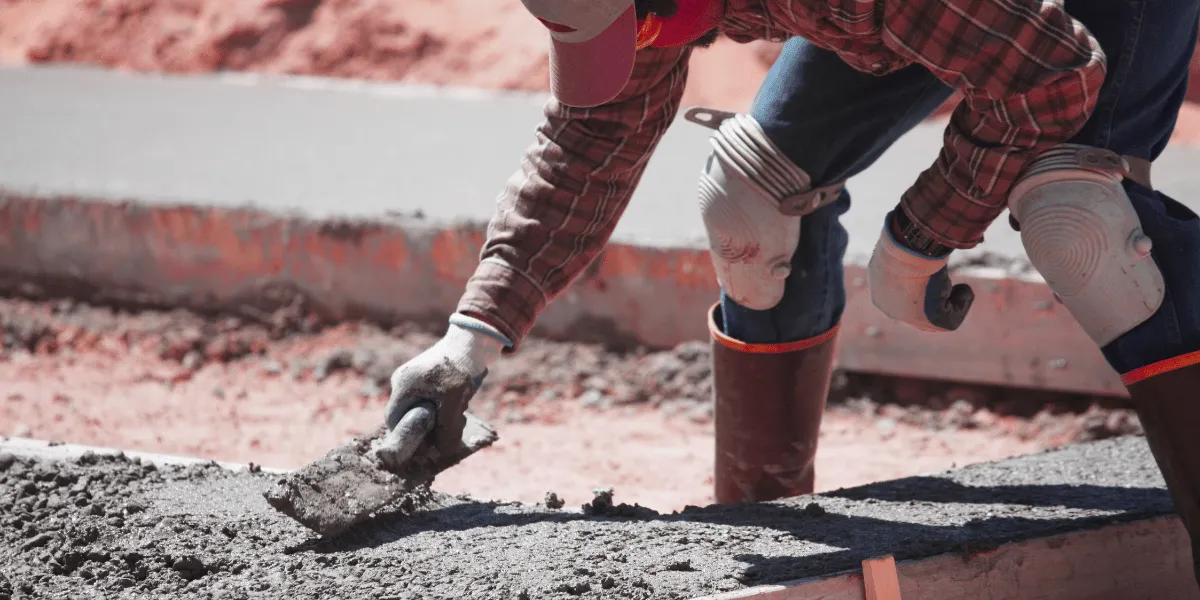
Custom Fire Pit Installation - Finished contractor installation

Completed installation showing precision border cuts and joint consolidation.

Related & Adjacent Landscaping Services

Independent Vetting Standard (Claims-Standards.md Compliant)

How ServiceFind Connects You With Verified Contractors

ServiceFind is an independent referral marketplace, not a direct landscaping company. We match you with pre-screened independent local contractors specializing in custom fire pit installation.

License Verification:Trade licenses confirmed against state contractor boards where applicable.
Insurance Standards:Minimum $1,000,000 commercial liability coverage verified before match.
Fair Quote Promise:No phantom lowball estimates or hidden disposal/permit surcharges.
Verified Feedbackprovider review

"The matched masonry crew transformed our sloping dirt yard into a stunning 450 sq ft herringbone paver patio with a built-in gas fire pit. Base compaction was meticulously checked with laser levels, and the polymeric sand joints have held up flawlessly through torrential spring downpours."

Marcus T., Austin, TX (Verified Project: Paver Patio & Fire Pit Installation)
20-Point Decision Engine

Fire Pit Installation Questions & Expert Answers

Sourced answers to help you evaluate contractor proposals, timelines, and costs.

Wood-burning fire pits typically require a minimum clearance of 15 to 25 feet from any combustible structure, overhang, or property line per local fire codes. Natural gas fire pits can often be placed closer (10 feet) because they produce zero flying sparks or embers.

Request Your Fair Quote on Fire Pit Installation

Get an itemized estimate from a verified independent contractor in your local area. Zero hidden fees.

Editorial Source: National Fire Protection Association (NFPA) Residential Fire Pit Safety GuidelinesVerified: January 2024

NFPA safety standards mandate minimum non-combustible clearance zones and spark arrestor screens for residential wood fire features. Citation URL: https://www.nfpa.org/

Marketplace Transparency & How ServiceFind Operates

ServiceFind is an independent contractor matching and referral platform, not a direct landscaping or construction company. All landscaping, hardscaping, lawn care, tree removal, and drainage work is performed exclusively by independent, third-party contractors. We verify licenses, insurance, and reputation standards prior to matching. Review our verification methodology for full transparency.