
Verified Contractor Dispatch Active
1-800-818-2708
ServiceFind Landscaping Logo
ServiceFindLandscaping
National Vetted Contractor Network
Lawn Care & Turf Maintenance

Lawn Dethatching & Power Raking

FDA & EPA Approved Materials
Safe for Pets & Pollinators
Made in USA Sourced
Native Hardened Nursery Stock
Secure Fair Pricing
Stripe & Visa Protected
100% Workmanship Guarantee
Verified Independent Pros

Lawn dethatching is the mechanical removal of the dense, spongy layer of dead grass stems, roots, and organic debris that accumulates between living green blades and the soil surface. Utilizing heavy-duty motorized power rakes with vertical wire tines, dethatching restores water and fertilizer penetration.

The Homeowner Challenge: A thick, spongy lawn that bounces underfoot suffocates grassroots, blocks fertilizer from reaching soil, and provides a humid breeding haven for fungal blight and chinch bugs.
Get A Fair Quote: 1-800-818-2708
8:00 AM – 8:00 PM All Days

Core Project Benefits & Performance Standards

Removes suffocating organic mats over 1/2-inch thick, allowing water and air to reach soil directly
Eliminates prime nesting habitat for fungal spores, dollar spot, and lawn-destroying insect pests
Restores direct soil contact for seed germination prior to seasonal overseeding
Revitalizes sluggish, yellowing lawns that fail to respond to fertilizer applications

What’s Included in Professional Scope

Every verified project follows standardized trade specifications with zero omitted steps.

1
Thatch depth measurement across multiple property zones with soil core sampler
2
Mechanical power raking pass with calibrated vertical spring-steel or flail tines
3
Raking, gathering, and mechanical vacuuming of extracted dead thatch debris
4
Hauling and eco-friendly composting disposal of extracted thatch material
5
Post-dethatching turf conditioning and evaluation for complementary overseeding

How the Project Works: Step-by-Step

From initial site survey to final quality signoff.

01
Step 1

Core Sampling & Height Trim

We verify thatch thickness exceeds 1/2 inch, then mow the lawn slightly lower (2.5 inches) to expose the thatch layer.

02
Step 2

Motorized Power Rake Pass

Vertical steel tines spinning at high RPM comb through the grass canopy, lifting dead thatch mats to the surface.

03
Step 3

Debris Gathering & Vacuum

Crews rake and vacuum away the massive piles of dead organic material, filling trailers for composting.

04
Step 4

Nutrient Recovery Soak

A light application of balanced fertilizer and thorough watering helps living turfgrass stems recover rapidly.

Transparent Pricing & Price Drivers
$150 – $400 for standard residential lawn (3,000 to 7,000 sq ft)

Standard residential power raking service pricing across regional markets.

Key Factors That Move the Price:

  • Lawn square footage and thickness of accumulated thatch layer (1/2 inch vs. 1.5+ inches)
  • Single pass vs. cross-directional double pass required for severe thatch buildup
  • Volume of hauled debris disposal fees (heavy thatch can produce 10 to 20 large collection bags)
  • Combining dethatching with same-day core aeration and overseeding
Decision Framework

Mechanical Dethatching vs. Core Aeration

Mechanical Dethatching (Power Raking)

Advantages:
Physically rips out dense horizontal surface thatch mats
Cleans the surface thoroughly before overseeding
Best when thatch exceeds 3/4 inch thick
Trade-offs:
Can cause temporary surface stress to healthy grass stems
Does not relieve deep subsurface soil compaction

Mechanical Core Aeration

Advantages:
Pulls 2-3 inch plugs, shattering subterranean soil compaction
Brings soil microbes to surface to naturally digest mild thatch
Gentler on living grass crowns
Trade-offs:
Takes several months to biologically break down very thick (>1 inch) thatch layers
Expert Recommendation: If thatch is over 3/4 inch thick, power raking is necessary to physically remove the barrier. For ongoing maintenance and soil compaction, core aeration is the gold standard.
Seasonal Timing & Horticultural Reality

Optimal Window: Early Autumn (September-October) or Early Spring (April)

Perform dethatching when cool-season grass is in active growth so it rapidly knits back together. Never dethatch during hot, dry summer months.

Regional Climate Note: Warm-season lawns (Bermuda, Zoysia) should only be dethatched in late spring (May-June) during their vigorous summer growth phase.

Maintenance & Aftercare Guidelines

Protecting your investment after contractor completion:

Water the lawn deeply immediately following dethatching to help living crowns re-hydrate
Follow dethatching with core aeration and overseeding for maximum autumn turf rejuvenation
Mow regularly at 3.5 inches and avoid over-fertilizing with quick-release nitrogen, which accelerates thatch production

Completed Project Photography

Real field documentation from verified independent contractor projects.
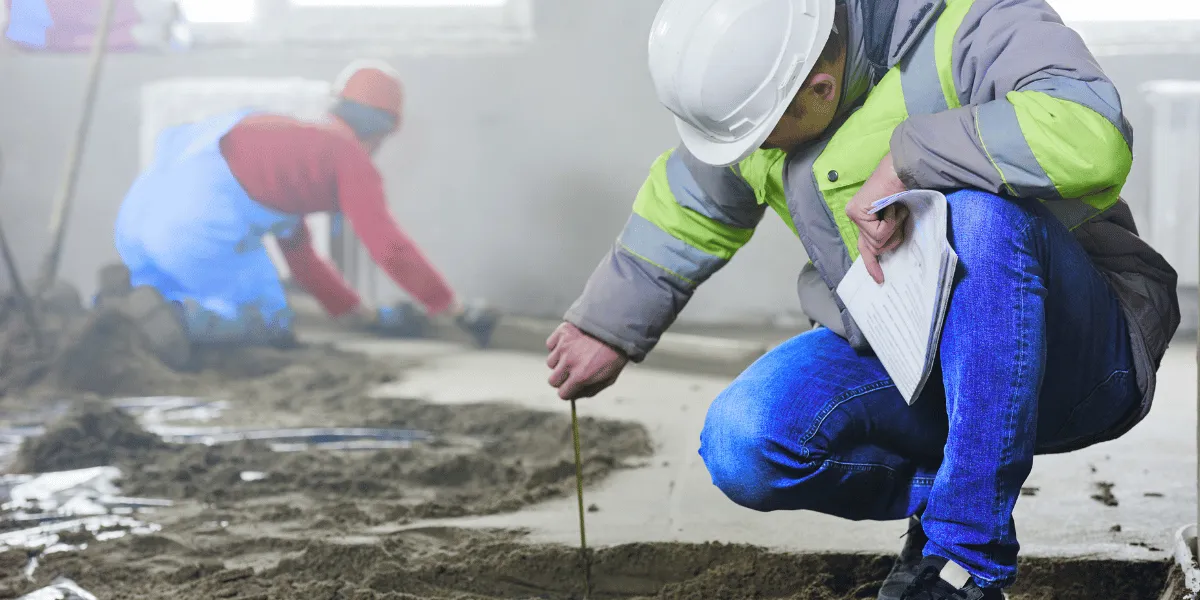
Lawn Dethatching & Power Raking - Site preparation and base grading

Base preparation, laser leveling, and material staging for residential install.
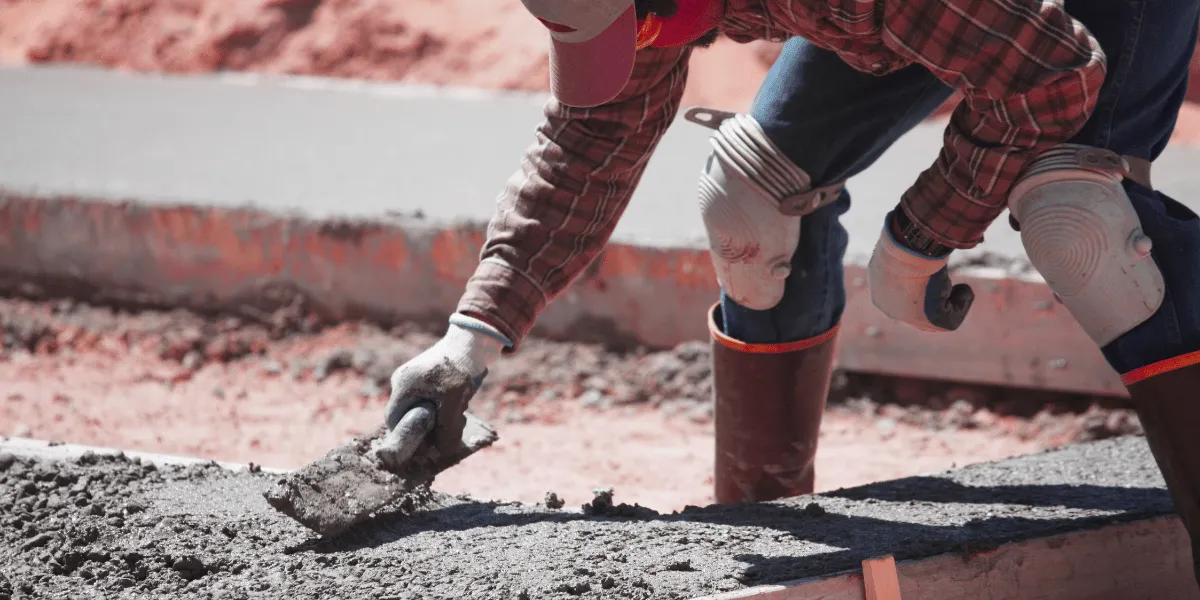
Lawn Dethatching & Power Raking - Finished contractor installation

Completed installation showing precision border cuts and joint consolidation.

Related & Adjacent Landscaping Services

Independent Vetting Standard (Claims-Standards.md Compliant)

How ServiceFind Connects You With Verified Contractors

ServiceFind is an independent referral marketplace, not a direct landscaping company. We match you with pre-screened independent local contractors specializing in lawn dethatching & power raking.

License Verification:Trade licenses confirmed against state contractor boards where applicable.
Insurance Standards:Minimum $1,000,000 commercial liability coverage verified before match.
Fair Quote Promise:No phantom lowball estimates or hidden disposal/permit surcharges.
Verified Feedbackprovider review

"The matched masonry crew transformed our sloping dirt yard into a stunning 450 sq ft herringbone paver patio with a built-in gas fire pit. Base compaction was meticulously checked with laser levels, and the polymeric sand joints have held up flawlessly through torrential spring downpours."

Marcus T., Austin, TX (Verified Project: Paver Patio & Fire Pit Installation)
20-Point Decision Engine

Lawn Dethatching Questions & Expert Answers

Sourced answers to help you evaluate contractor proposals, timelines, and costs.

Thatch is a tight layer of dead and living grass roots, stems, and shoots that forms between the green vegetation and the soil. A thin layer (under 1/2 inch) is healthy, acting as natural insulation. When thatch exceeds 3/4 inch, it blocks water and air from reaching roots.

Request Your Fair Quote on Lawn Dethatching

Get an itemized estimate from a verified independent contractor in your local area. Zero hidden fees.

Editorial Source: University Extension Turfgrass Management & NALP Technical BulletinsVerified: January 2024

University research confirms that thatch over 0.75 inches deep restricts root depth by forcing roots to grow exclusively within the thatch layer rather than mineral soil. Citation URL: https://extension.psu.edu/

Marketplace Transparency & How ServiceFind Operates

ServiceFind is an independent contractor matching and referral platform, not a direct landscaping or construction company. All landscaping, hardscaping, lawn care, tree removal, and drainage work is performed exclusively by independent, third-party contractors. We verify licenses, insurance, and reputation standards prior to matching. Review our verification methodology for full transparency.