
Verified Contractor Dispatch Active
1-800-818-2708
ServiceFind Landscaping Logo
ServiceFindLandscaping
National Vetted Contractor Network
Irrigation & Yard Drainage Solutions

Erosion Control & Slope Stabilization

FDA & EPA Approved Materials
Safe for Pets & Pollinators
Made in USA Sourced
Native Hardened Nursery Stock
Secure Fair Pricing
Stripe & Visa Protected
100% Workmanship Guarantee
Verified Independent Pros

Erosion control deploys vegetative and structural engineering methods—including biodegradable coir erosion control blankets, rip-rap stone swales, terracing, and deep-rooting native vegetation. Designed to arrest surface velocity and anchor soil particles, systems protect steep hillside grades from rain scouring.

The Homeowner Challenge: Heavy downpours wash away your expensive topsoil, carve ugly ruts and gullies down slopes, and undermine retaining structures or driveway edges.
Get A Fair Quote: 1-800-818-2708
8:00 AM – 8:00 PM All Days

Core Project Benefits & Performance Standards

Instantly arrests downhill surface runoff velocity, preventing deep soil gullies and mudslides
Biodegradable coconut coir and straw blankets hold seed and soil firmly in place during heavy rain
Deep-rooting native grasses and woody groundcovers create a permanent subterranean root web
Rock-lined swales and check dams convert destructive storm torrents into controlled, gentle drainage flows

What’s Included in Professional Scope

Every verified project follows standardized trade specifications with zero omitted steps.

1
Hillside slope angle calculation and hydraulic flow velocity modeling
2
Rough grading and mechanical smoothing of erosion ruts and washouts
3
Installation of 100% biodegradable coconut/straw erosion control blankets (ECBs) anchored with steel staples
4
Hydraulic slurry application or drill seeding with high-tensile native slope-binding seed mixes
5
Construction of rip-rap stone swales with non-woven geotextile underlayment
6
Installation of temporary silt fencing and coir wattles for immediate runoff sediment filtration

How the Project Works: Step-by-Step

From initial site survey to final quality signoff.

01
Step 1

Grade & Hydrology Survey

We evaluate slope steepness, watershed catchment size, and calculate runoff velocity to determine required reinforcement.

02
Step 2

Gully Repair & Compaction

Existing washouts are filled with compacted subsoil and graded into smooth, terraced or gentle uniform contours.

03
Step 3

Blanket & Swale Deployment

Heavy coir erosion blankets are stapled over the slope, and high-velocity channels are armored with angular rip-rap rock.

04
Step 4

Root Bioengineering

Deep-rooting native shrubs, fescues, and vetiver grasses are planted to establish a permanent living root anchor system.

Transparent Pricing & Price Drivers
$1.50 – $6.00 per square foot for blanket and vegetative stabilization ($15-$45/sq ft for structural stone armoring)

International Erosion Control Association (IECA) standard slope stabilization metrics.

Key Factors That Move the Price:

  • Steepness of slope (grades over 3:1 require heavy-duty double-net coir blankets and terracing)
  • Level of existing erosion damage and volume of clean fill dirt required to rebuild slope contours
  • Type of stabilization: vegetative hydroseeding vs. heavy rip-rap stone rock swales
  • Accessibility of steep hillside for earthmoving machinery
Decision Framework

Vegetative Bioengineering vs. Heavy Structural Stone Rip-Rap

Vegetative Bioengineering (Erosion Blankets + Native Roots)

Advantages:
Natural green aesthetic that blends into landscape
Cost-effective for large hillside slopes ($1.50 - $4.00/sq ft)
Deep roots continuously strengthen over time
Trade-offs:
Requires 6 to 12 weeks for vegetation to establish full root mass
Requires initial watering during dry spells

Structural Stone Rip-Rap Armoring

Advantages:
100% immediate defense against extreme hydraulic torrents
Zero watering or plant maintenance required
Trade-offs:
Higher cost ($15 - $40/sq ft)
Industrial rocky appearance that may not match formal residential gardens
Expert Recommendation: A hybrid approach is industry standard: armor high-velocity channel bottoms with angular stone rip-rap, while stabilizing broad hillside faces with coir blankets and native deep-rooted plantings.
Seasonal Timing & Horticultural Reality

Optimal Window: Early Spring (March-May) or Early Autumn (September-October)

Deploy slope stabilization before the onset of heavy seasonal monsoon or spring thaw rains. Avoid trying to stabilize frozen winter ground.

Regional Climate Note: Arid climates (Zones 8-10) require temporary drip irrigation lines to establish native slope vegetation before winter flash flood season.

Maintenance & Aftercare Guidelines

Protecting your investment after contractor completion:

Inspect slope after the first three major rain events to verify blankets remain tightly stapled
Remove trapped leaves and sediment from upstream sides of check dams and wattles
Avoid mowing steep stabilized slopes shorter than 4 inches to preserve root crown density

Completed Project Photography

Real field documentation from verified independent contractor projects.

Erosion Control & Slope Stabilization - Site preparation and base grading

Base preparation, laser leveling, and material staging for residential install.
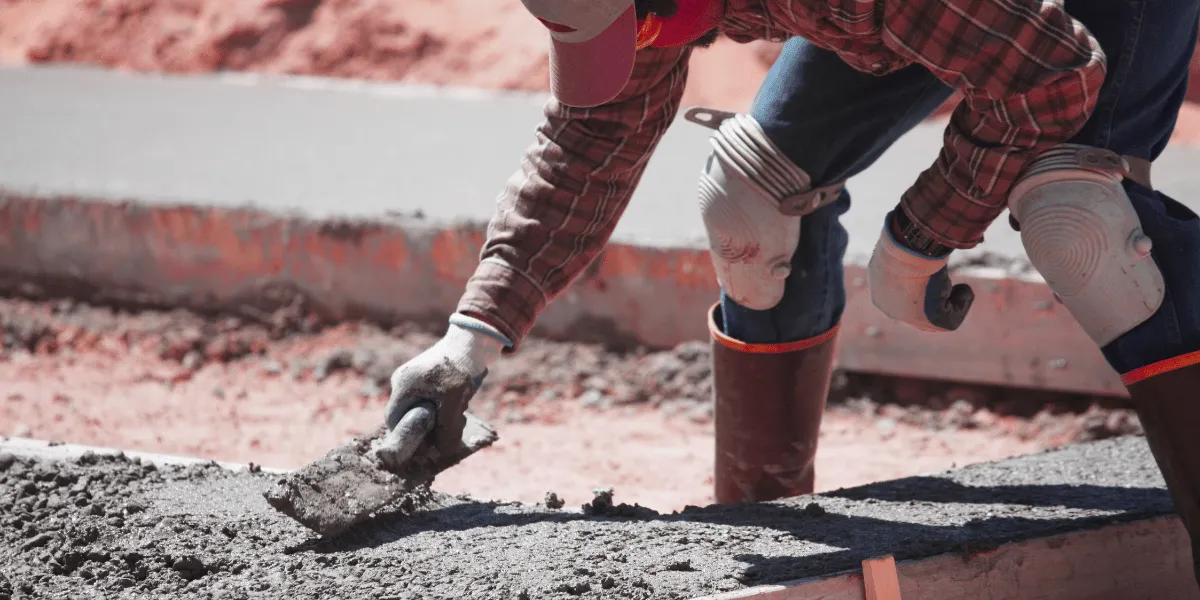
Erosion Control & Slope Stabilization - Finished contractor installation

Completed installation showing precision border cuts and joint consolidation.

Related & Adjacent Landscaping Services

Independent Vetting Standard (Claims-Standards.md Compliant)

How ServiceFind Connects You With Verified Contractors

ServiceFind is an independent referral marketplace, not a direct landscaping company. We match you with pre-screened independent local contractors specializing in erosion control & slope stabilization.

License Verification:Trade licenses confirmed against state contractor boards where applicable.
Insurance Standards:Minimum $1,000,000 commercial liability coverage verified before match.
Fair Quote Promise:No phantom lowball estimates or hidden disposal/permit surcharges.
Verified Feedbackprovider review

"The matched masonry crew transformed our sloping dirt yard into a stunning 450 sq ft herringbone paver patio with a built-in gas fire pit. Base compaction was meticulously checked with laser levels, and the polymeric sand joints have held up flawlessly through torrential spring downpours."

Marcus T., Austin, TX (Verified Project: Paver Patio & Fire Pit Installation)
20-Point Decision Engine

Erosion Control Questions & Expert Answers

Sourced answers to help you evaluate contractor proposals, timelines, and costs.

An erosion control blanket is an open-weave mat made of biodegradable coconut coir or wheat straw sewn between photodegradable netting. When stapled over seeded soil, it physically holds soil particles in place and conserves moisture while allowing grass seedlings to grow through the mesh.

Request Your Fair Quote on Erosion Control

Get an itemized estimate from a verified independent contractor in your local area. Zero hidden fees.

Editorial Source: International Erosion Control Association (IECA) & USDA Natural Resources Conservation Service (NRCS)Verified: February 2024

NRCS Conservation Practice Standard 342 dictates blanket staple patterns and seed species density for permanent slope protection. Citation URL: https://www.ieca.org/

Marketplace Transparency & How ServiceFind Operates

ServiceFind is an independent contractor matching and referral platform, not a direct landscaping or construction company. All landscaping, hardscaping, lawn care, tree removal, and drainage work is performed exclusively by independent, third-party contractors. We verify licenses, insurance, and reputation standards prior to matching. Review our verification methodology for full transparency.